Amazon has changed how online shopping feels. A few years ago, customers expected to wait several days for a parcel. Now, many expect same-day, next-day, or fast two-day delivery as normal.
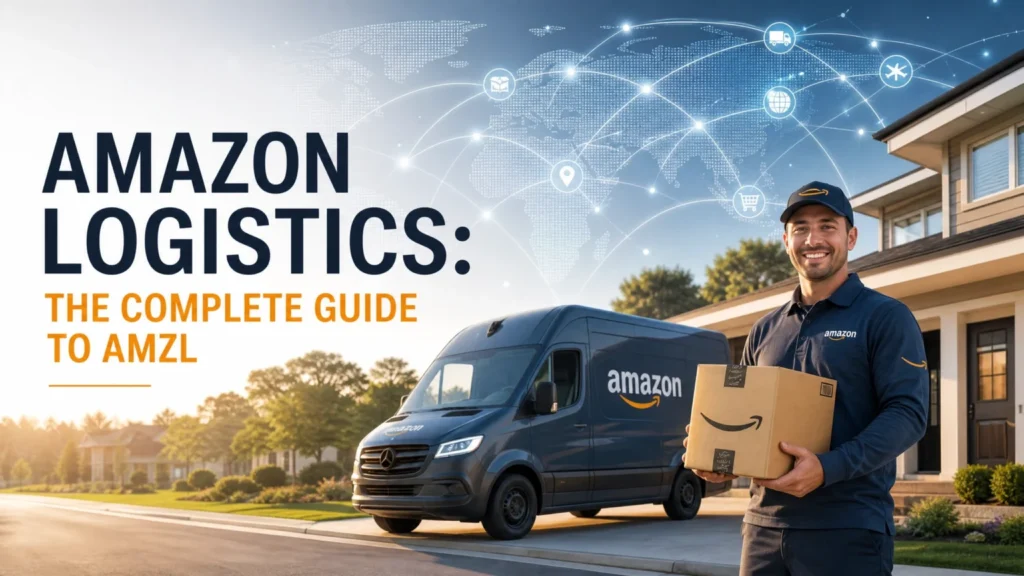
A big reason behind this shift is Amazon Logistics, also known as AMZL. It is one of the systems Amazon uses to move parcels from fulfilment centres, delivery stations, and local delivery partners to the customer’s door.
So, what is Amazon Logistics, and why does it matter for buyers, sellers, and ecommerce brands? This guide explains how it works, what “shipped with Amazon Logistics” means, how tracking works, and how it compares with UPS, DHL, FedEx, and other carriers.
TL;DR
What it is: Amazon Logistics (AMZL) is Amazon’s dedicated last-mile delivery network designed to get physical packages to customers faster and with more operational control.
Tracking: AMZL shipments are tracked directly within your Amazon account under “Your Orders,” rather than using traditional third-party carrier websites.
The Difference: Amazon Logistics handles the local, last-mile delivery of customer parcels. By contrast, Amazon Global Logistics handles international freight shipments to move seller inventory into fulfillment centers.
Seller Impact: While sellers cannot directly choose AMZL, keeping FBA inventory fully stocked allows them to benefit from the faster delivery speeds, which directly boosts listing conversion rates and visibility.
Business Reality: A fast delivery network only works if the rest of the business is healthy; sales still depend on strong Amazon SEO, competitive pricing, high-quality images, and robust PPC ad campaigns.
What Is Amazon Logistics?
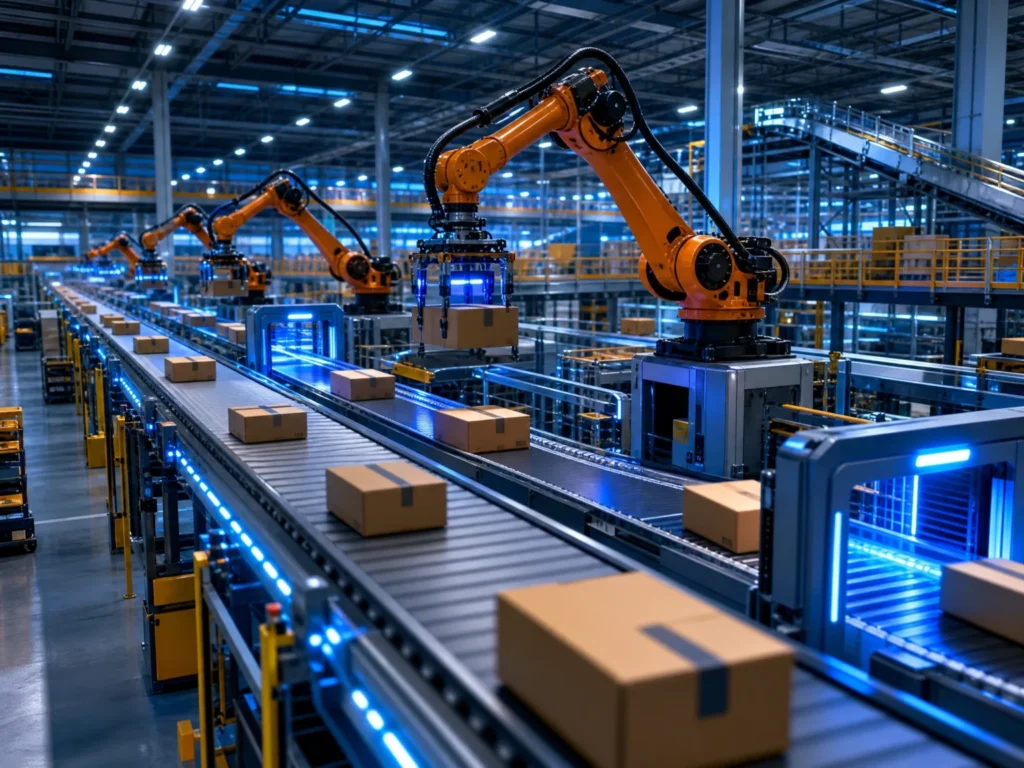
Amazon Logistics is Amazon’s own delivery network for moving packages to customers, especially during the final stage of delivery. This final stage is often called last-mile delivery.
In simple terms, Amazon Logistics helps Amazon deliver orders faster and with more control. Instead of relying only on traditional couriers, Amazon uses its own network of delivery stations, technology, delivery businesses, drivers, and route planning tools.
When your order says it was shipped with Amazon Logistics, it means Amazon’s delivery network is handling the parcel. In the United States, you may also see labels such as AMZL, AMZL_US, Amazon Logistics carrier, or Amazon delivery.
Amazon Logistics does not mean that one single Amazon employee carries every parcel from the warehouse to your home. It means the delivery is managed through Amazon’s logistics system.
What Does AMZL Mean?
AMZL stands for Amazon Logistics. It is the short form used for Amazon’s last-mile delivery network.
You may see AMZL in tracking updates, order details, carrier information, or third-party tracking tools. It usually means Amazon is managing the delivery through its own network rather than sending the parcel through a traditional carrier only.
AMZL is mainly connected with:
- Amazon package delivery
- Last-mile logistics
- Amazon delivery stations
- Local and regional delivery partners
For shoppers, AMZL simply means the order is being delivered through Amazon’s own delivery process. For sellers, it shows how much Amazon has invested in controlling speed, delivery data, and the customer experience.
How Does Amazon Logistics Work?
Amazon Logistics works by connecting Amazon’s fulfilment network with local delivery operations. The aim is to move products quickly from storage to the customer’s address.
The process often starts when a customer places an order on Amazon. If the item is stored in an Amazon fulfilment centre, the product is picked, packed, and sorted for delivery.
From there, the parcel may move to a sort centre or a delivery station. Delivery stations are local hubs where parcels are prepared for the final journey to customers.
Drivers then collect routes and deliver packages to homes, flats, lockers, businesses, or other delivery points.
In simple steps, the process looks like this:
- The customer places an order on Amazon.
- Amazon picks and packs the product.
- The parcel moves through Amazon’s fulfilment and sorting network.
- A local delivery driver completes the final delivery.
This structure gives Amazon more control over speed, tracking, delivery windows, and route planning.
What Is Amazon Logistics Shipping?
Amazon Logistics shipping means the package is being shipped and delivered through Amazon’s own delivery network. It may still involve local delivery businesses, independent contractors, or other partners, but the delivery is managed under Amazon’s system.
This is different from seeing UPS, FedEx, USPS, or DHL as the main carrier. With Amazon Logistics, Amazon controls more of the delivery flow, from fulfilment to the final delivery attempt.
For customers, the main benefit is speed. Amazon Logistics can support faster delivery options in many areas, especially cities and busy suburbs.
For Amazon, the benefit is control. It can manage package flow, delivery routes, tracking updates, failed delivery attempts, and customer communication more closely.
What Is Shipped With Amazon Logistics?
When an order says “shipped with Amazon Logistics,” it usually means Amazon’s delivery network is handling the package. The product may be delivered by a driver working with a Delivery Service Partner, Amazon Flex, or another local delivery partner.
These packages can include many everyday Amazon orders, such as household items, electronics, beauty products, books, toys, clothing, pet supplies, and groceries where available.
It does not always mean the parcel is coming from a nearby warehouse. The item may pass through several parts of Amazon’s network before it reaches the delivery station closest to the customer.
The key point is simple: the final delivery is being managed by Amazon’s own logistics system rather than a standard third-party courier alone.
What Is Amazon Logistics Carrier?
Amazon Logistics carrier refers to Amazon’s delivery network being listed as the carrier for an order. If your tracking page shows Amazon Logistics as the carrier, Amazon is responsible for the delivery updates and final-mile process.
This can feel different from tracking a UPS or DHL parcel. Amazon tracking is usually checked inside your Amazon account or through Amazon’s tracking page.
A customer can often see the delivery status, estimated arrival window, delivery attempt details, and sometimes a map when the driver is nearby.
This is one reason Amazon Logistics has become important. It connects delivery updates directly with the Amazon shopping account, which makes tracking easier for many customers.
How Do You Track an Amazon Logistics Package?
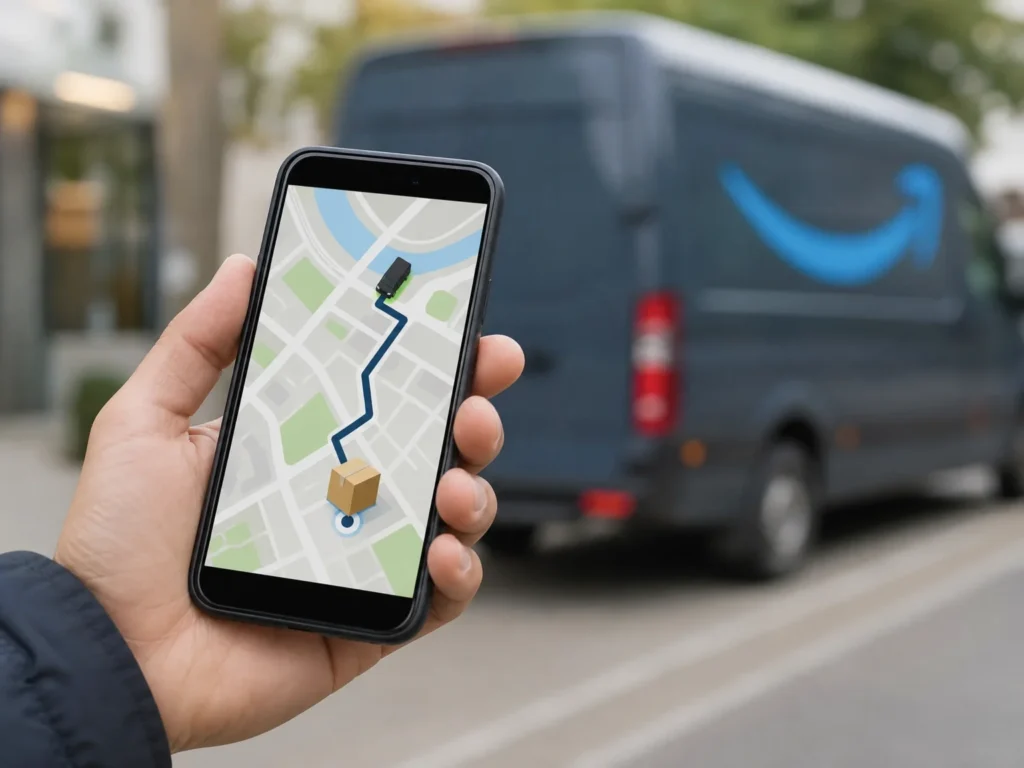
The easiest way to track an Amazon Logistics package is through your Amazon account. Go to your orders, choose the item, and select the tracking option.
Amazon will show the current status of the parcel. It may say the item has shipped, arrived at a carrier facility, is out for delivery, or has been delivered.
If the package is handled by Amazon Logistics, the tracking page may also show delivery instructions, proof of delivery, or a photo after delivery in some cases.
For most shoppers, this is the best tracking route:
- Sign in to your Amazon account.
- Go to Your Orders.
- Choose the order you want to check.
- Select Track Package.
If your order is late, missing, or marked delivered but not received, check around doors, mailrooms, lockers, reception areas, and neighbours before contacting Amazon support.
What Time Does Amazon Stop Delivering?
Amazon delivery times can vary by location, service type, season, traffic, and route volume. In many areas, Amazon may deliver during the day and into the evening.
Customers often ask, “What time does Amazon stop delivering?” The answer is that there is no single fixed time for every area.
Some parcels arrive in the morning. Some arrive later in the evening, especially during busy periods such as holidays, Prime Day, or major sale events.
If your order says “out for delivery,” it may still arrive later that day. The best source is always the live tracking information in your Amazon order.
What Are the Latest Amazon Delivers?
The latest Amazon deliveries depend on the delivery area and order type. In some places, Amazon can deliver later in the evening. In other areas, delivery windows may be shorter.
For customers, the most useful thing is not guessing a time. It is checking the delivery status inside Amazon.
If the package is still marked as out for delivery, there is a chance it may arrive that day. If the delivery attempt fails, Amazon may update the order with a new expected delivery date.
For sellers, this matters because delivery speed affects customer satisfaction. Late delivery, missed delivery, or unclear tracking can lead to complaints, refund requests, and poor buying experiences.
Amazon Logistics vs UPS, DHL, FedEx, and USPS
Amazon Logistics competes with traditional courier services, but it does not replace them in every situation. Amazon still works with multiple carriers depending on package type, location, size, and delivery needs.
UPS, DHL, FedEx, and USPS have long-established delivery networks. They are often strong for business shipping, international parcels, heavy packages, and wider carrier services.
Amazon Logistics is built around Amazon’s own customer experience. It is especially strong for Amazon orders, last-mile speed, route control, and delivery data.
Feature | Amazon Logistics | UPS / DHL / FedEx / USPS |
Main focus | Amazon package delivery | Wider parcel and business shipping |
Strength | Fast last-mile delivery for Amazon orders | Broad shipping networks and carrier services |
Tracking | Linked closely to Amazon account | Carrier-based tracking systems |
Seller use | Mainly tied to Amazon fulfilment and delivery | Used across many ecommerce platforms |
Best fit | Amazon shoppers and FBA delivery flow | Multi-channel shipping and wider logistics needs |
Amazon Logistics is not always better than UPS or DHL. It depends on the shipment, delivery address, service level, and business need.
For Amazon customers, AMZL can feel faster and easier to track. For sellers, it supports the promise of fast Amazon delivery, but it also means the seller must keep inventory, listings, and fulfillment settings in good order.
Is Amazon Logistics Better Than UPS?
Amazon Logistics can be better for Amazon orders where speed and direct account tracking matter most. It is designed for Amazon’s platform, so it fits well with Prime delivery and FBA fulfillment.
UPS can be better for some business shipments, large parcels, scheduled commercial delivery, and broader shipping needs outside Amazon.
A fair comparison is not “which company is better?” The better question is “which delivery model fits the order?”
Amazon Logistics works best when the item is part of Amazon’s fulfilment and delivery network. UPS and other couriers may be stronger when a seller needs flexible shipping outside Amazon or more traditional carrier services.
What Is Amazon Global Logistics?
Amazon Global Logistics is different from Amazon Logistics delivery. This is a key point many competitor articles do not explain clearly.
Amazon Logistics usually refers to package delivery and last-mile delivery. Amazon Global Logistics is focused more on cross-border freight for FBA sellers.
For example, an Amazon seller may use Amazon Global Logistics to ship inventory from a factory or supplier to Amazon fulfilment centres. This can include ocean freight, air freight, customs clearance, and shipment tracking through Seller Central.
In simple terms:
- Amazon Logistics helps deliver parcels to customers.
- Amazon Global Logistics helps sellers move inventory into Amazon’s fulfilment network.
- Both are part of Amazon’s wider supply chain, but they solve different problems.
What Is Amazon Digital Services LLC?
Amazon Digital Services LLC is a business name connected with Amazon’s digital services. It may appear on statements, invoices, account records, or digital purchase details.
For customers, the meaning is simple. It usually points to a digital Amazon product rather than a shipped physical item.
It does not always mean you signed up for a new service called “Amazon Digital Services LLC.” It is often just the company or billing name behind the charge.
How Can Sellers Benefit From Amazon Logistics?
Amazon sellers do not usually “choose” Amazon Logistics in the same way they choose a courier for every parcel. The delivery network is often part of the wider FBA and Amazon fulfillment system.
Still, sellers can benefit from Amazon Logistics when their products are well prepared, in stock, and eligible for fast delivery. Better delivery speed can support stronger conversion rates, better customer trust, and fewer delivery-related objections.
Sellers should focus on the parts they can control:
- Keep FBA inventory in stock.
- Watch restock limits and demand trends.
- Fix listing issues that hurt conversion.
- Track delivery complaints and customer feedback.
Fast delivery alone does not create sales. The listing still needs strong SEO, clear images, good pricing, strong reviews, and a clean PPC structure.
This is where Alpha Spikes helps Amazon sellers. If your ads are driving traffic but your listing is weak, or your inventory keeps going out of stock, logistics can become a sales problem rather than just an operations issue.
Why Amazon Logistics Matters for PPC and SEO
Amazon Logistics may sound like a delivery topic, but it also connects with Amazon SEO and PPC performance.
If a product is out of stock, unavailable, or delayed, its ad performance can suffer. Clicks may drop, conversions may fall, and ranking momentum may weaken.
Delivery speed can also influence buying behaviour. A product with fast delivery is more attractive than one with slow or unclear shipping.
This means sellers should not treat PPC, SEO, fulfilment, and inventory as separate things. They work together.
A strong Amazon growth plan should connect:
- Keyword ranking and listing content
- PPC spend and conversion data
- Inventory planning and stock health
- Delivery speed and customer experience
When these areas work together, sellers get a clearer view of performance. When one part breaks, the whole account can feel harder to scale.
Common Amazon Logistics Problems Customers Notice
Most Amazon Logistics deliveries work without issue, but customers may still face problems.
A package may show as delivered but not appear at the door. A driver may leave it in a mailroom, garage, porch corner, reception desk, or parcel locker. In some cases, the package may be delayed or reattempted the next day.
Common issues include:
- Late delivery updates
- Package marked delivered but not found
- No clear delivery photo
- Failed delivery attempt
- Confusing tracking status
If this happens, the customer should check the order page first. Amazon usually gives the latest delivery status and next steps.
For sellers, repeated delivery complaints should be watched closely. Even if the seller does not control every part of the delivery, poor delivery experience can still affect reviews, returns, and customer trust.
Can Businesses Use Amazon Logistics?
Many business owners ask if they can use Amazon Logistics for their own shipping. The answer depends on what they mean.
If they are Amazon sellers using FBA, Amazon’s fulfillment and delivery network may already support customer deliveries. If they are moving inventory into FBA from suppliers, Amazon Global Logistics may be relevant.
If they want Amazon to deliver non-Amazon orders, the situation is more specific. Amazon has expanded supply chain and shipping services over time, but availability depends on the programme, market, volume, and business setup.
For most Amazon sellers, the practical route is to use FBA, manage stock properly, and make sure listings are ready to convert traffic.
For non-Amazon ecommerce brands, it is better to review Amazon Shipping, Amazon Supply Chain services, or third-party logistics options based on actual needs.
Can You Sell Digital Downloads on Amazon?
This question appears in many Amazon-related searches, but it is not directly connected to Amazon Logistics.
Amazon Logistics is for physical package movement and delivery. Digital downloads do not need last-mile delivery because there is no parcel to ship.
If you want to sell digital books, Amazon Kindle Direct Publishing is the main path for eBooks. If you want to sell printables, templates, PDFs, or design downloads, Amazon may not work like Etsy, Gumroad, or Shopify.
For physical Amazon products, logistics matters because customers need delivery. For digital products, the main focus is platform rules, file access, pricing, and content policy.
Is Amazon Logistics Good for Customers?
Amazon Logistics is good for many customers because it supports faster delivery, easier tracking, and tighter connection with Amazon orders.
A customer can often manage delivery updates from one place instead of visiting several carrier websites. This makes the buying experience smoother.
However, not every delivery is perfect. Some customers may prefer traditional carriers for certain packages, addresses, or delivery needs.
The real value of Amazon Logistics is control. Amazon can manage more of the process, adjust delivery routes, and support faster service in areas where its network is strong.
Is Amazon Logistics Good for Sellers?
Amazon Logistics can be good for sellers when it supports faster shipping and stronger customer trust. But sellers must still manage the parts that affect sales directly.
A product with poor SEO, weak images, low review quality, or messy PPC campaigns will not perform well just because delivery is fast.
For sellers, Amazon Logistics works best when the full account is healthy. That means the product is in stock, the listing is optimised, the price is competitive, and PPC campaigns are structured properly.
Alpha Spikes works with sellers who want this full picture. PPC, SEO, inventory, and delivery speed all influence growth. Looking at only one area can hide the real issue.
Final Thoughts
Amazon Logistics is Amazon’s delivery network for moving packages to customers, especially during the final mile. It is often shown as AMZL, AMZL_US, or Amazon Logistics carrier in tracking details.
For customers, it means Amazon is managing the delivery through its own network and partners. For sellers, it supports faster delivery, stronger customer experience, and the Amazon promise of speed.
Amazon Logistics is not the same as Amazon Global Logistics. AMZL is mainly about package delivery to customers, whilst Amazon Global Logistics helps sellers move inventory into Amazon’s fulfillment network.
If you sell on Amazon, logistics should not be treated as a back-end topic only. Delivery speed, stock health, listing quality, PPC structure, and SEO all work together.
A product that ranks well, converts well, stays in stock, and delivers quickly has a much better chance of long-term growth.
FAQs About Amazon Logistics
What is Amazon Logistics?
Amazon Logistics is Amazon’s own delivery network. It helps deliver packages to customers, especially during the last mile from a local delivery station to the customer’s address.
What does AMZL mean?
AMZL means Amazon Logistics. It is the short form used for Amazon’s delivery network in tracking updates and order details.
What is Amazon Logistics shipping?
Amazon Logistics shipping means Amazon’s own delivery system is handling the package instead of only using a traditional carrier such as UPS, DHL, FedEx, or USPS.
What does shipping with Amazon Logistics mean?
It means the order is being delivered through Amazon’s delivery network. The final delivery may be completed by a delivery partner, local courier, or driver working within Amazon’s system.
Is Amazon Logistics a carrier?
Yes, Amazon Logistics can appear as the carrier for an Amazon order. It is not a traditional public carrier in the same way as UPS or DHL, but it acts as the delivery network for many Amazon packages.
How do I track Amazon Logistics?
Sign in to Amazon, go to Your Orders, select the order, and choose Track Package. This is usually the best place to see Amazon Logistics tracking updates.
Visit: track.amazon.com
What time does Amazon stop delivering?
Delivery times vary by location, route, season, and service level. Some deliveries may arrive later in the evening, especially during busy periods.
What is the latest Amazon delivery?
There is no single latest delivery time for every customer. Check your Amazon tracking page for the most accurate delivery estimate.
Is Amazon Logistics better than UPS?
It depends on the order. Amazon Logistics can be better for Amazon orders and fast last-mile delivery. UPS may be better for wider business shipping, heavy parcels, or non-Amazon logistics needs.
What is Amazon Global Logistics?
Amazon Global Logistics is a freight programme for FBA sellers. It helps sellers move inventory from suppliers or factories into Amazon fulfilment centres through ocean or air freight.
Does Amazon Logistics compete with DHL?
Yes, Amazon Logistics competes with DHL and other courier services in some delivery areas, especially for ecommerce parcel delivery and last-mile logistics.
Can I use Amazon Logistics for my business?
If you sell through Amazon FBA, Amazon’s fulfillment and delivery network may already support your customer deliveries. For broader business shipping, you may need to look at Amazon Shipping, Amazon Supply Chain services, or other logistics options.
Why does Amazon use its own delivery network?
Amazon uses its own delivery network to improve speed, control tracking, manage delivery routes, and support the customer experience across its marketplace.
Can you sell digital downloads on Amazon?
You can publish eBooks through Kindle Direct Publishing, but selling normal digital downloads like PDFs or templates is not the same as selling physical products through Amazon Seller Central. Digital downloads are not connected to Amazon Logistics because no delivery is needed.